Flat-Pack vs Modular Timber Homes: Which Is Right for You?
Flat-Pack vs Modular Timber Homes: Which Is Right for You?
When considering a prefab timber home, two popular options emerge: flat-pack kits and modular homes. Each offers distinct advantages depending on your location, timeline, and budget.
What Is a Flat-Pack Kit?
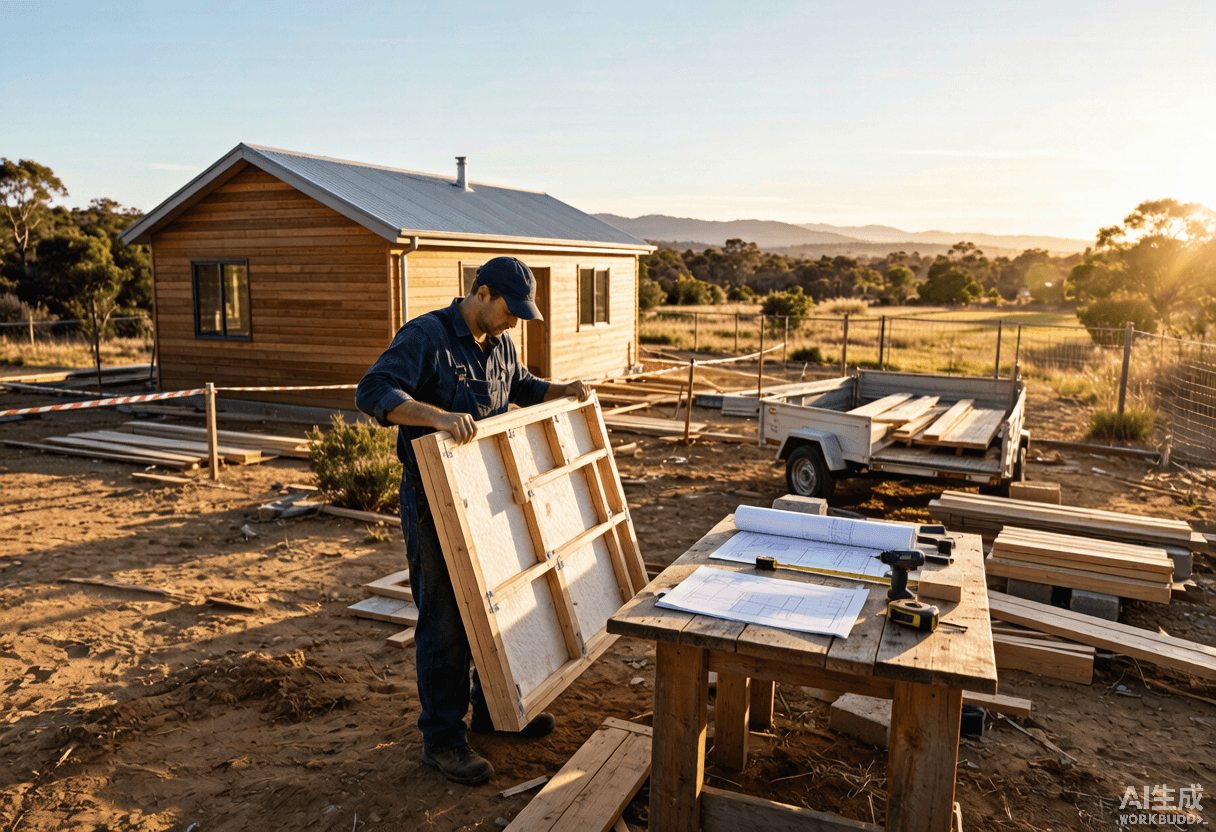
A flat-pack kit arrives as a bundle of pre-cut, pre-drilled timber components — walls, floors, roof trusses, doors, and windows — ready for on-site assembly.
Advantages:
- Lower shipping costs (components nest flat)
- Easier access to remote sites
- Full customization of finishes
- Can be assembled by owner-builders
Disadvantages:
- On-site assembly takes 2–4 weeks
- Requires basic construction skills or a local builder
- Weather-dependent installation
What Is a Modular Home?
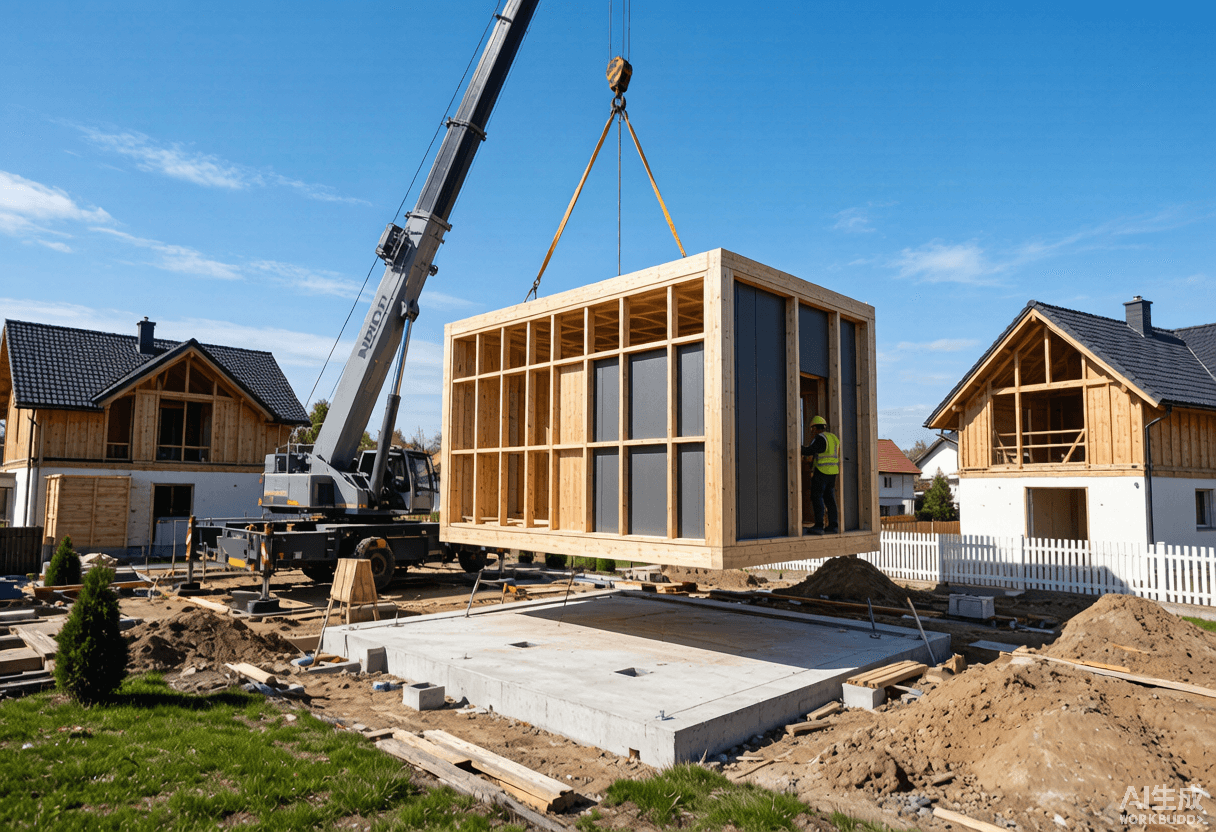
Modular homes are built in large sections (modules) in a factory, then transported to site and crane-lifted onto a permanent foundation.
Advantages:
- Factory-quality control in a controlled environment
- Faster on-site installation (1–2 days for placement)
- Less waste from site cutting
- Better for complex architectural designs
Disadvantages:
- Higher transport costs for oversized modules
- Requires crane access on site
- Limited customization at the factory stage
Cost Comparison Breakdown
| Aspect | Flat-Pack | Modular |
|---|---|---|
| Unit cost per m² | $1,800–$2,400 | $2,200–$3,000 |
| Site labor | $300–$500/m² | $100–$200/m² |
| Delivery | Low | Medium–High |
| Time to occupy | 4–8 weeks | 2–3 weeks |
Making Your Choice
Choose flat-pack if you're on a budget, have access to a builder, or want maximum customization. Choose modular if you value speed, quality control, and minimal on-site work.
Both options offer superior energy efficiency and sustainability compared to traditional construction.